


Let’s be honest. Most of us spend way more time on screens than we planned. We tell ourselves, “Just ten minutes,” and suddenly an hour disappears. Work pings. Social apps glow. Messages pile up. Before you know it, your shoulders feel tight, your brain feels foggy, and you’re wondering why scrolling felt like a break but somehow made you more tired. It’s messy. It’s normal. And it’s exactly why conversations around digital wellness matter.
Digital wellness isn’t about throwing your phone in a drawer forever. It’s about tuning into how you feel. Managing your habits gently. Choosing tech instead of letting tech choose for you. Small shifts make a big difference.
So here are ten practical things anyone can try. Nothing extreme. Nothing unrealistic. Just tiny steps that help you feel lighter and more present.
Nights are the worst for random scrolling. You promise yourself a “quick check,” then end up deep in videos you didn’t even want to watch. A simple fix is placing your phone away from your bed. Or switching to lamp light instead of bright white screens before sleep. Soft routines like stretching, journaling, or listening to calm audio help your brain unwind. That’s the real heart of healthy tech use. You still enjoy your devices, but they don’t hijack the quiet moments meant for rest.
Most people underestimate their screen hours. You think you’re online for maybe two hours, but your phone says six. That moment can feel like a slap of truth. But it’s a helpful one. Tracking creates clarity. And clarity leads to change. Many apps show daily and weekly usage. It’s not about guilt. It’s about understanding your patterns so you can create screen time balance that doesn’t overwhelm you.
Ever stare at your screen and realise you haven’t blinked properly in a while? It happens more than we admit. A tiny break every 30 or 40 minutes helps reset your mind and eyes. Stand up. Sip water. Stretch your hands. Look out a window. These pauses don’t need to be dramatic. They simply remind your body that it exists beyond the glowing rectangle.
People hear “digital detox” and imagine disappearing to a forest. You don’t need that. Try micro detox moments instead. Leave your phone in another room for an hour. Turn off notifications for apps that stress you out. Swap bedtime scrolling with a book twice a week. These gentle digital detox ideas still give your mind space without making you feel disconnected from the world.
Not all stress comes from time spent online. Sometimes it’s the content itself. Negative news. Drama-filled comments. Constant comparisons. It wears you down. One of the most underrated steps in online stress reduction is curating your digital world. Unfollow accounts that drain you. Mute things that trigger you. Follow creators who make you laugh or teach you something useful. Your feed should feel like a space that supports you, not pressures you.
Saying “I’ll use my phone less” never works. Too vague. Too easy to ignore. Set real boundaries. For example: no screens during meals. Or no replying to work messages after a certain hour. Or having a dedicated charging spot outside your bedroom. These choices reinforce tech-life balance. They create moments where your mind can breathe without constant notifications tapping your brain.
We all know how dangerous the auto-play feature is. One video turns into ten. One show becomes a whole evening. Turning it off is a simple but powerful form of digital wellness. When videos don’t auto-load, you have space to choose intentionally. Do I really want to keep watching? Sometimes yes. Sometimes no. But at least the choice is yours.
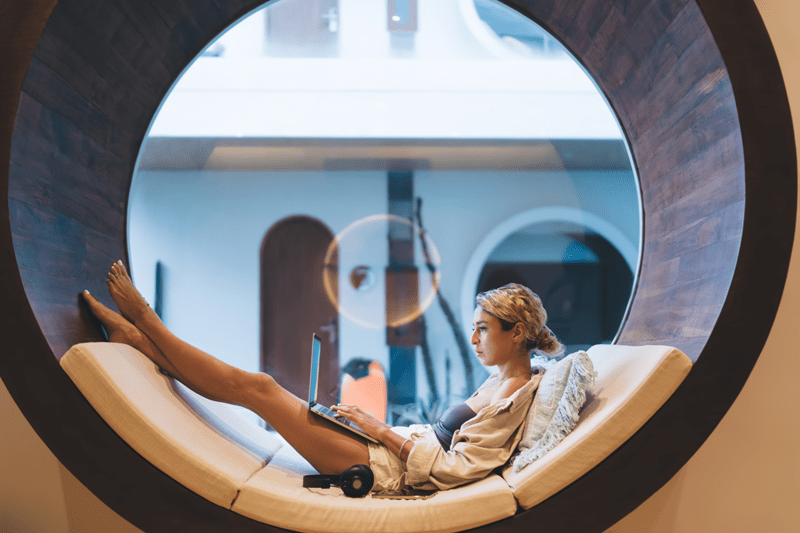
Where your devices live affects how often you reach for them. If your phone is always within arm’s reach, of course you’ll keep checking it. Create physical zones. A work zone. A relaxation zone. A no-phone zone. These areas help your brain switch modes. Even small environmental tweaks reduce distractions and give you pockets of focus.
Remember hobbies? The things you did before scrolling became a reflex? Drawing. Cooking. Playing an instrument. Gardening. Calling a friend instead of texting. Doing something physical or hands-on breaks the loop of endless notifications. It nurtures your creativity and gives you something meaningful to look forward to. These moments act like a reset button for your whole nervous system.
Everyone’s relationship with tech is different. What works for one person isn’t always right for another. That’s why personal rituals matter. Maybe you start mornings without touching your phone for the first 20 minutes. Maybe you use do-not-disturb mode during meals. Maybe your Sunday mornings are intentionally screen-free. These rituals support long-term digital wellness habits that feel natural instead of forced.
Screens don’t just affect your eyes. They affect your feelings. Too much noise, too many opinions, too much comparison drains your emotional battery. You start feeling anxious without realising why. Learning to recognise these signals helps you pause before burnout hits. When your body says “I need a break,” listen. Your emotional world deserves that care.
Passive use drains energy. Purposeful use energises you. Watching something because you chose it feels different than falling into endless suggestions. Communicating with someone you care about feels different than reacting to random posts. Purpose creates meaning. Meaning reduces stress.
Some days you’ll follow all the habits. Other days your screen will win. That’s okay. Digital wellness is not a perfect streak. It’s a mindful journey. You adjust. You try again. You find what fits your life. The small wins are what matter. More presence. More calm. More balance.
Screens overload your eyes and mind. Constant switching between apps also creates mental fatigue, which builds stress over time.
Start small. Even 30 minutes helps. Build gradually until you find a rhythm that supports your mood and lifestyle.
Turn off non-essential notifications. This reduces constant interruptions and creates more quiet moments throughout your day.
This content was created by AI