


People often think they need fancy studios, expensive lighting, or the latest camera to create interesting photos. Honestly, not true. Some of the most memorable shots happen in messy living rooms, tiny balconies, or right next to the kitchen window. When the pressure is low, creativity rises. You notice things differently. A cup of tea becomes a mood shot. A curtain becomes a backdrop. Light suddenly feels like a character. That’s the joy of experimenting at home: no rules, no rush, no one watching.
This is where the fun begins. Your home is hiding so many stories, angles, and textures. You just need to see them with a slightly playful mindset. When people search for creative photography ideas, they often assume they must be super advanced to pull them off. But nope. Most creative shots come from curiosity, not gear. That shift in thinking alone opens up your imagination instantly.
Below are ten ideas that anyone can try, whether you’re using a DSLR, a phone, or your dad’s old camera sitting in a drawer somewhere.
Pick anything transparent or partially transparent. Glass bottles. Plastic lids. Even cling film crumpled a bit. Hold it near the lens and shoot through it. The distortion adds an unexpected look. It doesn’t matter if you're a pro or just exploring beginner creativity. This little experiment gives your photos a dreamy vibe without editing tricks.
Soft window light is honestly magical. It wraps around the face, smooths out harsh shadows, and instantly adds emotion. Try sitting close to the window, then turn slightly to see how the light shifts. Want drama? Close the curtains halfway. Want calm? Use sheer curtains. This simple setting often surprises people with how professional it can look.
Grab blinds, lace fabric, kitchen strainers, or even plant leaves. Let the sun cast shadows on your subject. Suddenly, you get patterns that feel cool, bold, and unexpected. These are the kinds of unique photo ideas that turn an ordinary afternoon into a mini art session.
You don’t need fancy setups. A solid bedsheet or a coloured chart paper taped to the wall works perfectly. Choose colours that contrast with the subject. Bright objects look great on muted backgrounds. Dark objects pop on brighter ones. This trick elevates simple shots into clean, minimalist visuals.
This one's ridiculously fun. Make a tiny world with small toys, fruits, books, or household items. A toy car on flour becomes a snowy road. A small figure next to a mug looks like an outdoor adventure. Kids love this idea. Adults secretly love it too. It's a perfect way to dive into DIY photos.
Turn off the lights, grab a torch or phone flashlight, and paint light in the air. Even phones allow long-exposure apps now. Swirls, lines, shapes, anything works. The result feels magical, almost surreal. This is where people get hooked on fun photography tips, because the process itself is exciting.
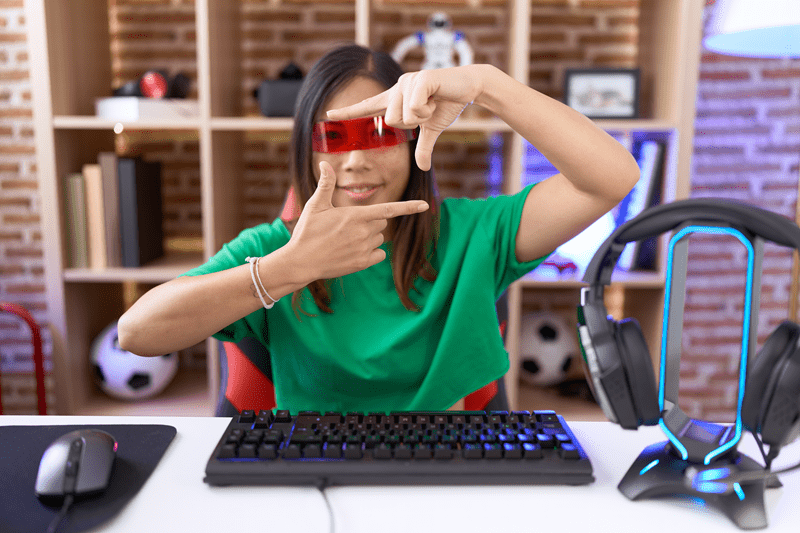
Mirrors, shiny tables, water in a bowl, a clean windowpane. Reflections create symmetry, which naturally pleases the eye. Try placing your camera very close to the reflective surface to get a stronger effect. Sometimes, a reflection shot looks more interesting than the subject itself.
Grab a macro lens if you have one or simply put your phone very close to a textured object: leaves, fabrics, stones, hair strands, paint cracks on a wall, even bread. Close-ups reveal a tiny world we walk past every day without noticing. It’s perfect for anyone craving concept shots without deep setups.
Stand someone between the camera and a bright window. Do not use flash. The subject becomes dark, and the background glows. It feels poetic. A silhouette can turn a simple pose into a strong story. Try playing with shapes: hands, plants, bottles, or profiles.
You just need a bowl, water, and enough patience to clean a few drops. Drop an object into the water and shoot at the right moment. Phones with burst mode do a great job. The splash shapes are unpredictable, which keeps the process fun and lively.
The one thing every creative person eventually learns? Mistakes are gold. A blurry shot might look accidental but may end up becoming your favourite. A strange angle might reveal a beautiful line you didn’t expect. So instead of deleting quickly, pause and look. Creativity lives in the imperfections.
Lighting is where most people overthink. But home lighting doesn’t need to be complicated. Lamps create warm tones. Flashlights create spotlights. Fairy lights add sparkle. Even your fridge light looks cool when you shoot from the right angle. So experiment. Switch lights on and off. Move lamps closer. Let shadows fall naturally. Light carries emotion. That’s the secret behind many creative photography ideas, even when using basic tools.
Props aren’t special items bought from shops. They’re simply objects that add character. A spoon. A book. A candle. A scarf. These items can instantly shift the mood from serious to playful or from modern to vintage. Put them near your frame. Put them partially inside the frame. Let them hint at a story instead of telling it outright. That’s how visual storytelling grows.
Editing is not cheating. It’s just polishing your vision. Use simple apps like Snapseed or Lightroom Mobile. Increase contrast. Reduce shadows. Add a bit of warmth. Don’t go overboard. The goal isn’t to make the photo unrecognisable. It’s to make the feeling clearer, stronger, more intentional. Even small adjustments can turn a casual capture into an absolute favourite.
Home feels safe. Comfortable. Imperfect in the best way. No pressure to perform or to get everything right the first time. When you explore photography in your own space, you experiment more freely. You try unusual angles. You attempt weird poses. You observe how small changes shift the whole shot. Each experiment builds confidence. It’s one of the biggest hidden benefits of practising indoors.
If you feel stuck, add people. A laugh. A movement. A hand gesture. Even casual moments turn into great portraits. Teen siblings, parents, pets, roommates, anyone. For people learning beginner creativity, this is the fastest way to break the ice and loosen up their style. Human expressions naturally create stories that props alone can’t.
It’s tempting to blame gear when a shot feels off, but creativity isn’t expensive. It’s a habit. A way of looking. A willingness to try and try again. Yes, better cameras help. But a curious eye helps far more. Use what you have and push your imagination. Sometimes the most heartfelt shots are captured on old phones. It’s the emotion that speaks, not the megapixels.
Any camera works, including smartphones. Creativity matters more than gear, and most ideas rely on simple lighting and angles.
Look around your home. Change your angle. Experiment with shadows or reflections. Even ordinary objects can spark new ideas.
Not really. Editing simply enhances the mood, but many of these effects look great straight from the camera. Use editing only if it supports your vision.
This content was created by AI