

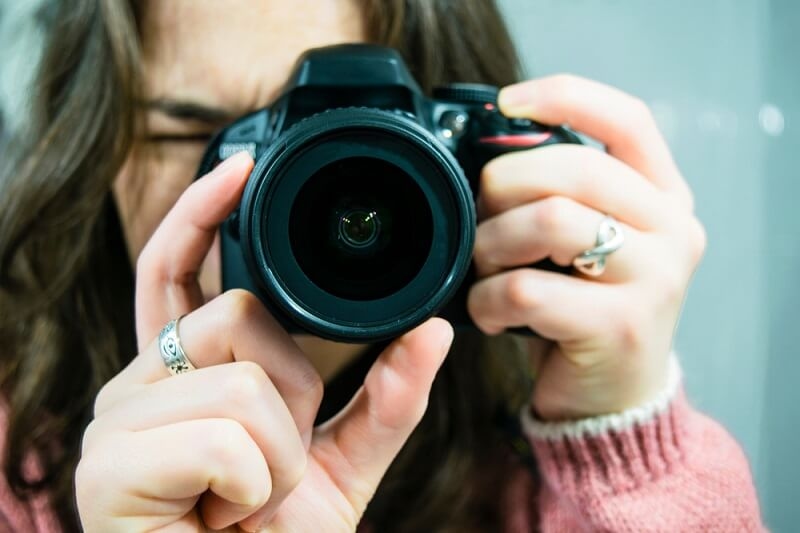
Knowing the basics of DSLR photography is the foundation for becoming confident in the art. Whether you're stepping into beginner photography or are finally ready to explore those advanced camera settings, mastering the DSLR basics will revolutionize how you capture the world. To many photographers just starting out, buttons, dials, and confusing menus can make them feel overwhelmed, but DSLR basics are more straightforward than they appear when clearly explained.
This tutorial provides an overview of DSLR basics, covering essential camera settings, a simple-to-understand ISO guide, shutter speed basics, and techniques for shooting confidently in manual mode. If you want real control, sharper images, and creative freedom, learning the basics of DSLR photography is the smartest place to start.
DSLR basics are the very core of the significant principles that help you understand how your camera works. For any novice who ventures into photography, DSLR basics clear up confusion and build confidence. You do not use auto mode, but learn how camera settings affect light, motion, and depth of field.
Mastering the DSLR basics will let you:
DSLR basics serve as a roadmap for amateur photography. Once mastered, advanced skills become really easy to learn.
Camera settings are at the heart of DSLR basics. These are settings that determine how much light reaches your camera and how your image is captured. Most people start off with beginner photography, which often relies on auto mode, but DSLR basics help you move away from that.
Three basic camera settings that have significant impacts on your shots include :
Taken together, they are referred to as the exposure triangle. The basics of DSLR teach how these settings work together in exposing an image.
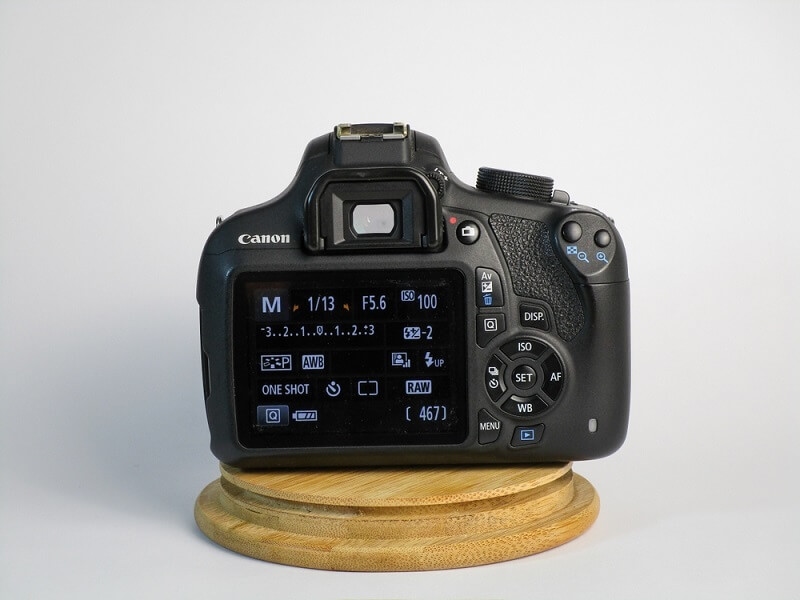
An ISO guide is a crucial building block for DSLR fundamentals. ISO determines the sensitivity of your camera sensor to light. When starting in photography, learning about ISO can help you avoid grainy or underexposed photos.
DSLR Basics:
This ISO guide will help amateur enthusiasts avoid guesswork in selecting the right camera settings. The DSLR basics recommend maintaining ISO at a value as low as possible to ensure cleaner images.
The basics of shutter speed are pretty self-explanatory; it's how long your camera's shutter stays open. Shutter speed is one of the basics of DSLR photography that controls motion blur or sharpness. Most beginners in photography find images quite blurry because the basic shutter speeds aren't clear.
Basic concepts of shutter speeds include:
The basics of DSLR teach that for action shots, faster shutter speeds must be used, while slower speeds are permitted to achieve creative effects. The basics of shutter speed equips beginner photography with a powerful creative edge.
While DSLR basics focus a great deal on ISO guide and shutter speed basics, aperture completes the exposure triangle. Aperture controls depth of field, which is how much of your image stays in focus.
In beginning photography:
DSLR basics that explain aperture not only work with camera settings to control light and focus creatively, but also in other modes.
Learning manual mode is one of the most important milestones in DSLR basics. It gives you full control over ISO, shutter speed, and aperture in manual mode, whereas auto mode decides by guessing; in manual mode, it will act according to your decisions.
Manual mode: advantages in DSLR basics:
For novice photography, manual mode might first seem intimidating; however, DSLR basics make it inviting and rewarding.
The basics of DSLR simplify manual mode, breaking it down into steps:
Following the basics of a DSLR, beginner photography becomes less about luck and more about intention.
Many novice photography mistakes are caused by inadequate study of DSLR basics. It could be:
DSLR basics help photographers understand why an image failed and how to fix it with correct camera settings.
Once the DSLR basics are known, the image quality increases straight away. Correct ISO settings reduce noise. Proper shutter speed basics prevent blur. With correct camera settings, clarity is improved.
Beginner photography becomes more consistent when DSLR basics start eliminating random results and replacing them with informed decisions.
Fast mastery of DSLR basics requires:
Novice photography relies a lot on repetition, and DSLR basics reward practice with an appreciable improvement.
Every professional photographer starts by learning DSLR basics. Any beginner's photography evolves into an advanced skill only if DSLR basics are mastered. From camera settings to manual mode, these remain the fundamentals on every level.
DSLR basics are not optional; it's the backbone of successful photography.
Understanding the DSLR basics is actually a powerful step in your photography journey. With the right understanding of beginner photography, camera settings, an effective ISO guide, solid shutter speed basics, and confidence in manual mode, your camera becomes a creative tool, not a mystery.
DSLR basics enable the beginning photography enthusiast to understand camera settings, manage exposure, prevent blurry images, and develop their creative confidence, rather than relying solely on automatic camera modes.
An ISO guide to light sensitivity helps the amateur select the proper setting on his camera and avoid grainy images while smoothly mastering the DSLR basics.
Basic beginner photography should be about quicker shutter speeds to freeze images in order to avoid blurriness, before creating creative motion with slower shutter speeds.
Yes, DSLR basics require manual mode because it teaches full control over the settings of the camera, thereby improving the consistency of photography.
The basics of DSLR are easily understandable by regular practice for amateur photography enthusiasts within weeks, along with noticeable improvements in image quality.
This content was created by AI