

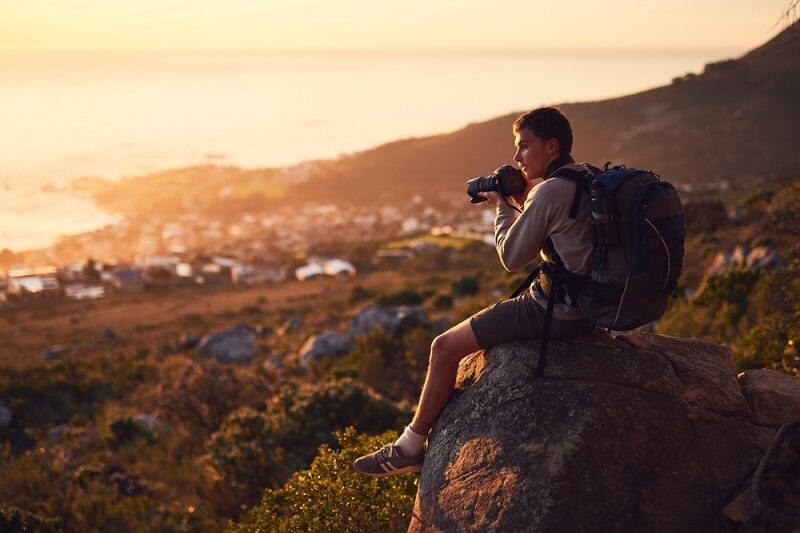
Every landscape photograph has a unique quality; it’s not only lovely to look at, but it’s also an experience you want to be part of. Authentic landscape photography aims to provide that experience: the stillness of a secluded forest, the enormity of an enormous canyon, and the warmth of a setting sun. Landscape photography is not only about scenic shots or quick snapshots of nature; landscape photographers are artists who create an impression of what they see and hope to convey that impression through their images. Every person with a camera can take a photograph of a mountain; however, capturing one that causes someone to stop and admire its beauty is the artist's true goal.
Here’s the thing: great outdoor photography doesn't require the most expensive gear. It begins with how you perceive the world through your lens. Let’s break down what really makes a landscape image sing.
Landscape photography focuses on natural scenes, such as mountains, beaches, deserts, forests, and open fields. It shows space, scale, and mood. Unlike portraits, the land becomes the subject, not people.
Landscape photography is most effective when light and timing align. A cloudy sky can add drama. A clear sky can add peace. Scenic photos often feel simple, but planning sits behind them.
Standard parts of strong landscape photography include
These elements help outdoor photography feel grounded and real.
Scenic photos do more than show beauty. They tell small stories about place and time. A river curve hints at movement. A lone tree shows strength.
Scenic photos in landscape photography often use layers. Foreground, middle ground, and background work together. This adds depth and keeps eyes moving.
Ways scenic photos become stronger include
Scenic photos feel better when not crowded with details.
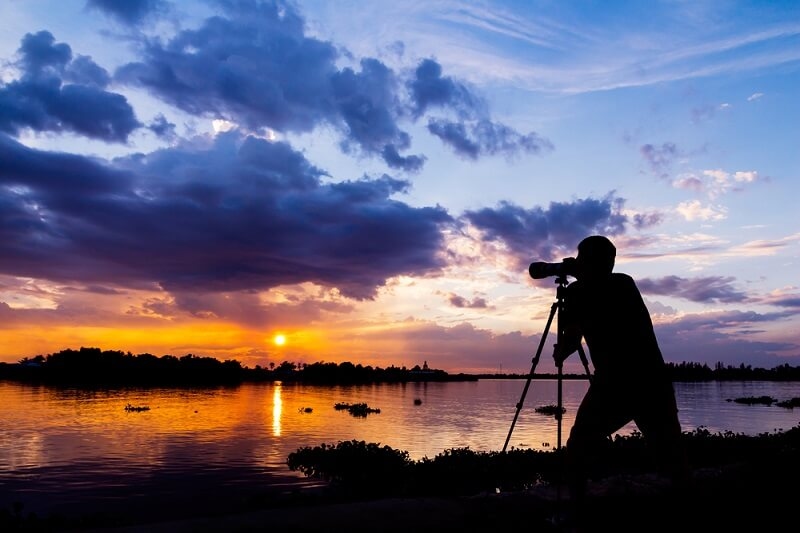
Outdoor photography asks for flexibility. Nature changes fast—light shifts. Wind moves clouds. Landscape photography teaches patience through these changes.
Outdoor photography works best when conditions are respected, not forced. Rain adds mood. Fog adds mystery. Nature shots often look better when the weather is acceptable.
Outdoor photography basics to remember
These habits help landscape photography feel relaxed instead of rushed.
Nature shots focus on raw elements, such as water, rocks, trees, and the sky. They are the heart of landscape photography. Strong nature shots feel alive even without movement.
Nature shots work well when textures are transparent. Bark, waves, and grass add detail. Light brushing across surfaces creates interest.
Tips for better nature shots include
Nature shots feel strongest when they stay close to real life.
Wide-angle tips are crucial in landscape photography. Wide lenses show space and scale. They pull viewers into the scene.
Wide-angle tips help avoid flat images. Getting close to a foreground object adds depth. This makes scenic photos feel immersive.
Useful wide-angle tips include
Wide-angle tips work best when used with care, not just habit.
Sunset photography adds emotion to landscape photography. Warm colors and long shadows alter the appearance of scenes. Sunset photography rewards patience.
Sunset photography often starts before the sun sets. Light shifts fast. Clouds catch color in surprising ways. Nature shots during sunset feel softer.
Sunset photography tips to try
Sunset photography often yields the best scenic photos as the sun sets.
Composition helps landscape photography feel balanced. Rules guide the eye, but they are not strict laws. They help beginners see better.
Popular composition tools include the rule of thirds, leading lines, and framing. These tools help scenic photos feel organized.
Composition reminders include
Composition makes outdoor photography easier to read.
Gear supports landscape photography, but it does not replace skill or talent. A simple gear works well when used right. A camera, lens, and tripod cover most needs.
Wide lenses help with scenic photos. Tripods are particularly helpful for capturing images at sunset and in low-light conditions. Filters can control reflections and light.
Helpful gear choices include
Good gear supports patience, not speed.
Timing matters in landscape photography. Early mornings and late afternoons bring soft light. Midday light feels harsh.
Planning helps outdoor photography stay calm. Checking maps, sun direction, and access points saves stress. Nature shots improve with preparation.
Planning steps include
Planning leaves room for creativity.
Some mistakes limit growth. Over-editing is one. Heavy colors remove the natural feel. Another mistake is ignoring the foreground.
Other common errors include
Avoiding these mistakes helps scenic photos feel personal.
It can feel like every beautiful place has already been photographed a million times. Your job isn’t to find a new mountain. Your job is to find your own view of it. That might mean visiting in a different season. A waterfall in winter, frozen solid, tells an entirely different story than the same waterfall in summer.
This could include crouching down next to the ground, finding a spot away from other tourists that overlooks the area you want to photograph, or even examining specific features of the place that make it unique. The unique aspects of a place can be found in its texture, color patterns, and many other natural elements. Frequently, these intimate parts of a scene can be captured more effectively by photographing a specific section of the scenery rather than a broader view.
Landscape photography captures space, light, and feeling through careful observation. With scenic photos, outdoor photography skills, nature shots, wide-angle tips, and sunset photography, scenes turn meaningful. Patience, planning, and respect for nature shape images that feel calm and lasting, not rushed or forced.
The hour after sunrise and the hour before sunset, known as the golden hours, provide the softest, most directional, and most colorful light for outdoor photography.
While helpful, a high-end camera is not essential. Understanding composition and light, and using a basic tripod, will improve your scenic photos more than a camera upgrade alone.
It’s a focusing technique that maximizes sharpness from the foreground to the horizon. For wide-angle shots of vast landscapes, mastering it ensures that everything, from a nearby rock to a distant mountain, appears in focus.
Include a strong foreground element, like a tree or rock formation, to create depth and scale. Also, meter your exposure for the brighter sky to prevent the entire scene from becoming overexposed and washed out.
This content was created by AI