

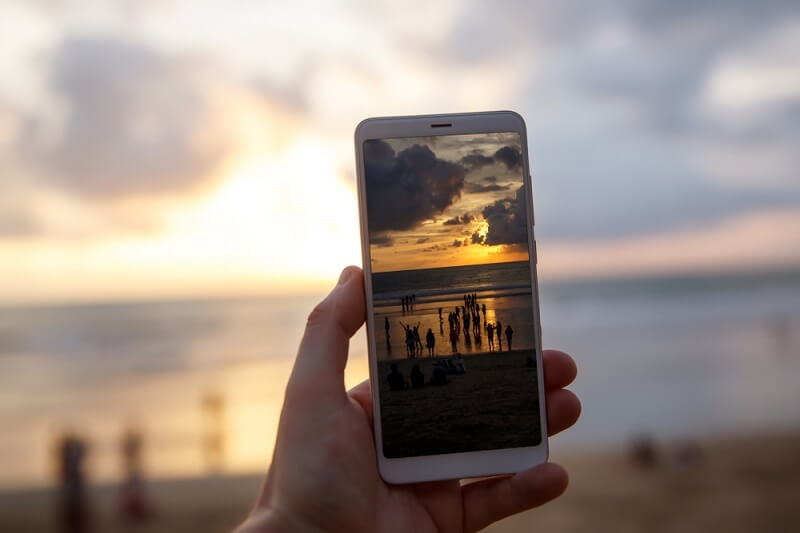
With our smartphones now being our most convenient camera, taking and sharing photographs of everyday life has changed significantly. The common misconception that a good picture is only determined by price or brand is incorrect, because your smartphone camera photo can be significantly improved with proper tips, techniques, and basic information on how to take pictures. The more straightforward these basic camera and editing tools are, the easier it becomes for you to obtain a satisfactory photo, especially as a beginner.
In simple terms, good photographs are a result of making informed choices, rather than relying on expensive or elaborate equipment.
Smartphone photography refers to taking photos using a phone's camera, rather than a traditional camera. It sounds simple, but skill still matters. Phones rely on software, light, and timing more than buttons. Smartphone photography works best when the user understands limits. Phones see light differently than big cameras. That is not bad; it is just different. Mobile photography rewards patience and attention.
Core parts of smartphone photography include
These basics build strong beginner shots over time.
Phone camera tips help photos look sharper and more precise. Many people skip setting up their devices, but small changes can make a big difference. Smartphone photography improves when controls are used intentionally. Phone camera tips often include tapping the screen to focus and adjusting the exposure. This tells the phone what matters most. Ignoring this causes blurry or dark images.
Helpful phone camera tips to follow
These phone camera tips support photo clarity tricks without extra tools.
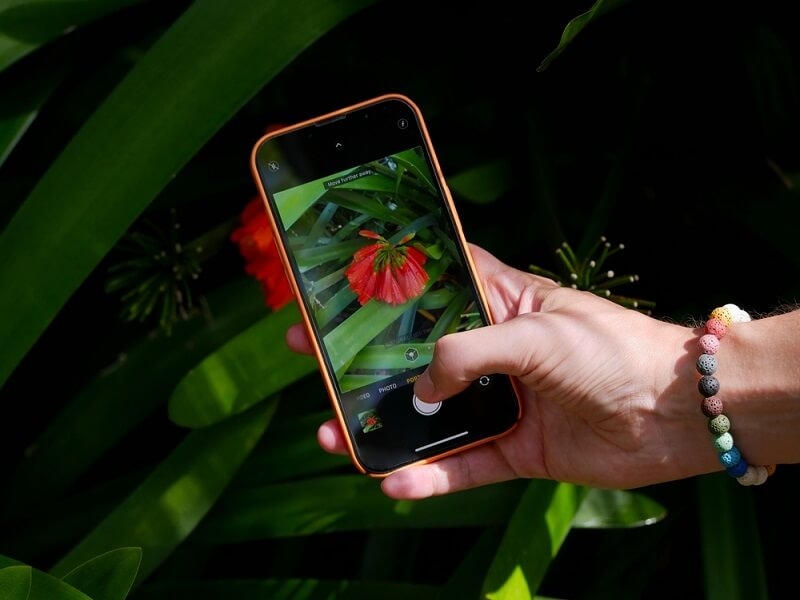
Mobile photography is about noticing what surrounds the subject. Backgrounds matter—light direction matters. Smartphone photography improves when scenes get simplified. Mobile photography works best when distractions are removed. A clean wall beats a messy street. Natural light beats indoor lamps.
Strong mobile photography habits include
Mobile photography feels easier when movement replaces settings.
Photo clarity tricks help photos stay crisp. Blur often comes from motion or low light. Smartphone photography requires extra care in dimly lit spaces. Photo clarity tricks focus on stability and light. Phones use slower shutter speeds at night. Holding steady matters more than.
Useful photo clarity tricks include
These photo clarity tricks improve results even for beginner shots.
Beginner shots should feel simple, not stressful. Smartphone photography grows through practice, not perfection. Early photos teach what works. Beginner shots often work best in daylight. Natural light is forgiving. Faces look softer. Colors feel real.
Good beginner shots to practice include
Beginner shots improve when pressure stays low.
Light shapes every photo. Smartphone photography relies more on light than on settings—soft light tends to flatter. Hard light adds drama. Morning and evening light work best. Midday light creates harsh shadows. Mobile photography improves by chasing gentle light.
Light tips to remember
Light awareness improves photo clarity naturally.
Composition guides where eyes go. Smartphone photography benefits from simple framing rules. These rules help images feel balanced. The rule of thirds works well. Could you place subjects off-center? Let space breathe. Beginner shots feel stronger this way.
Composition ideas include
Composition helps mobile photography feel intentional.
Mobile editing finishes the photo. It should not overpower it. Smartphone photography looks its best when edits are kept to a minimum. Mobile editing focuses on brightness, contrast, and color balance. Overediting removes detail and trust.
Simple mobile editing steps include
Mobile editing works best when less is used.
Mistakes slow progress but teach lessons. One mistake is using digital zoom. It lowers quality fast. Another is ignoring backgrounds.
Other common issues include
Fixing these helps smartphone photography improve quickly.
Mobile photography fits naturally into daily routines. Phones are always nearby. This makes practice easy. Smartphone photography thrives when moments are captured. Morning light through windows. Shadows on sidewalks. Small details matter.
Daily habits that help include
Consistency builds skill quietly.
Photos tell stories without words. Smartphone photography captures feelings, not just faces. A scene, a hand, and a shadow can say more. Mobile photography supports storytelling through sequence. Multiple photos together share context.
Story-focused tips include
Stories feel stronger when images connect.
Smartphone photography builds trust when photos feel real. Honest images connect better than perfect ones. Skill shows in restraint. Experts agree that practice beats gear. Mobile photography proves that creativity lives in the vision, not the device. Trust grows when photos feel thoughtful.
Let's break it down with a real example. Could you please take a picture of a mug of coffee on your table?
First, wipe your phone's lens. Position yourself near a window to take advantage of soft, natural light. Place the mug on the table and turn on your gridlines. Position the mug where the bottom-right gridlines cross. Get down to the level of the mug instead of shooting down from above. Tap on the mug on your screen to focus. Make sure your hands are steady and take the shot.
Later, you can open the photo in your editing app. Crop it a little to remove the edge of a book in the corner. Increase the brightness just a touch. Boost the contrast slightly. Let's warm up the color a little. Now you have a professional-looking image, all with your smartphone.
Simple practices and a consistent routine can enhance the quality of pictures taken with a smartphone camera. By following suggestions for using smartphone cameras, learning the fundamentals of mobile photography, enhancing photo clarity through various techniques, and utilizing examples for beginners, you can help create the impression of high-quality, professional-looking photos using mobile editing software, as well as in diverse lighting conditions. The same techniques can produce excellent images over extended periods, even when using low-cost mobile devices and photographing everyday subjects.
While newer phones have advanced features, the principles of light, composition, and editing remain most important; you can take excellent pictures with almost any modern phone camera by following core phone camera tips.
Your phone's built-in editor is a great start. For more control, free apps like Snapseed or VSCO offer powerful tools for photo clarity tricks and color grading without being too complex.
Use the two-handed hold, lean on a stable surface, or prop your phone against something. Also, ensure your lens is clean and there is enough light, as low light often causes blur in mobile photography.
Portrait Mode is best suited for subjects with a distinct outline, such as a person or a flower. For wide scenes, such as landscapes or group shots, use the standard photo mode for sharper, edge-to-edge shots.
This content was created by AI