


Portrait photography is more than just aiming a camera at your subject and asking him to smile; it captures personality, emotion, and authenticity in a single frame. For the many photographers around the United States, whether hobbyists or content creators, or pros, probably the main challenge is how to help the subject look natural instead of stiff or uncomfortable.
If you've ever looked at a portrait and thought, "That doesn't feel like them," then something has probably gone wrong with posing, lighting, or communication. The good news is that natural-feeling portrait photography is a skill that can be learned. With the right posing tips, understanding of face angles, thoughtful portrait lighting, and subtle portrait editing, anyone can improve their results-even when shooting portraits as a complete beginner.
This guide takes you through some practical and easily applied photography techniques to help real people look their best, most relaxed selves.
Portrait photography is all about trust and comfort, actually. The minute a person feels awkward, it shows in the posture, expression-even in the movement of the eyes. Natural portraits come about when the photographer sets an environment where the subject is made to feel at ease.
The reason many amateur portraits fail is more often due to hurried sessions or too general a direction, rather than bad equipment. A natural face takes time, soft guidance, and awareness of how people react to cameras. Photography can be so much more expressive when you focus on the connection first and the technical elements second.
Natural photography also tends to stay away from the extremes: overposed stances, sharp contrasts of light, and burly portrait editing removing skin texture and individuality. Refinement, in that respect, is the objective instead of perfection.
One of the overlooked portrait photography tips is to know what happens before the shutter even clicks. Take a few minutes and talk to your client. Ask how their day went, what they like doing, or for what purpose these photos are to be used. In the U.S., knowing the purpose helps shape a relaxed shoot for profiles at work, school graduation, and family milestones.
For starters, portraits won't require you to know how to pose. This reassurance alone tends to soften faces. Always keep the camera lowered while talking with a subject so that they don't feel like they're being constantly observed.
The comfort of being photographed will translate directly into better angles of the face, smooth posing, and more truthful expressions in portrait shots.
Effective posing tips are subtle. Instead of giving them stiff directions like "stand up straight" or "smile", provide conversational cues and prompts that ask your subject to shift weight, lean against a wall, or turn their shoulders from the camera.
These small changes reduce stiffness and offer better face angles without making the pose feel forced.
Understanding the angles of the face is an important part of portrait photography. Every face has angles more handsome than others, and uncovering these does not require abstruse theory—just observation.
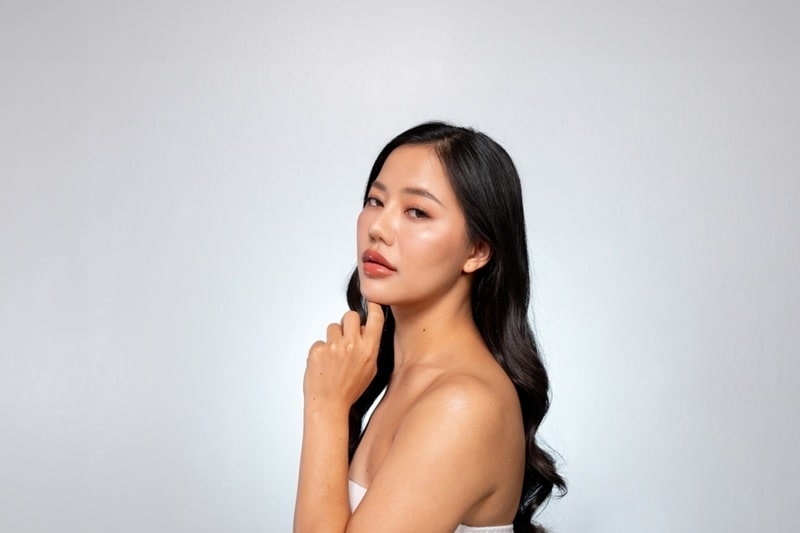
Successfully capturing natural expressions is the core of portrait photography. Instead of telling people to "smile", provoke a response from them. Use light questions or jokes, or ask them to remember something positive.
It's such a formal thing for them here in the U.S., at least with professional headshots. Taking some of that formality away really helps. Let them move just a little between shots rather than freezing in one pose; that tends to relax the face and create better posing naturally.
Doing a continuous shoot may also capture the in-betweens, those few seconds when the subject stops trying to look perfect. These provide a more accurate result in photography.
Although cameras cannot substitute for skills, they indeed support the best portrait photography results. The lenses within the range from 50mm to 85mm are rather popular in portrait shooting because they minimize facial distortions and complement the angles of a natural face.
A wider aperture-f/2.8 or f/4-blurs the background softly while creating the face in focus, without giving it an unnatural look. Such a separation allows portraits to stand out, especially when the beginner is concerned mainly with expression.
The shutter speed needs to be fast enough so that the subtlety of movement is not lost due to blur, especially during keen attempts to provoke a natural gesture. Such technical decisions support silent, more relaxed portraits that verge on life-likeness.
Portrait editing is about enhancement, not erasure. Perhaps the single worst mistake of modern photography is a photographer over-editing skin to make it look plastic. Natural faces retain texture, fine lines, and variation in tone.
Basic portrait editing includes exposure, contrast, and white balance to make skin tones appear like real-life skin tones. Remove temporary blemishes if necessary, but do not oversmooth. In the U.S. market, authenticity has increasingly become favored over perfection, particularly in professional portraits. Light dodging and burning can subtly enhance face contours, while judicious color correction keeps the image natural. Thoughtful portrait editing keeps your portrait photography timeless, not trendy.
Most beginning portraits get plagued by the same things: stiff poses, flat portrait lighting, and super heavy editing. Perhaps equally destructive is another common mistake so many of us make: rushing the session. The bottom line is, natural portrait photography takes patience. Not too much posing advice at a time to avoid overwhelming the subject.
Portrait photography, after all, is the art of storytelling. If you respect individuality and aspire to authenticity, your portraits will speak volumes well beyond the frame.
Capturing natural faces in portrait photography isn't about using tricks or expensive gear; rather, it is about understanding people. By building comfort, applying gentle posing tips, using flattering face angles, mastering portrait lighting, and keeping portrait editing subtle, you're well on your way to capturing real and expressive images every time.
Whether one does beginner portraits or refines a professional portfolio, these principles apply across styles and settings. With patience and practice, your portrait photography won't just look better-it'll feel more human, relatable, and memorable.
Amateur portraits improve most quickly when focusing on comfort and simplicity. Take the time to engage with your subject, use basic posing suggestions, and get comfortable with naturally occurring portrait lighting, such as window light. The ability to practice on friends helps one get used to angles and expressions of the face in a completely pressure-free environment, which is huge for portrait photography.
Soft, diffused light is what works best for portrait photography. Natural window light or light from the shade outdoors creates flattering results and realistic skin tones. Overhead lighting tends to accentuate facial features unnaturally and makes faces look stiff, especially in beginning portraits.
In portraits, less is more. Portrait editing should correct the exposure, color, and minor blemishes while keeping the skin texture intact. Over-smoothing or heavy retouching takes away from genuine expressions and natural angles of the faces.
This content was created by AI