

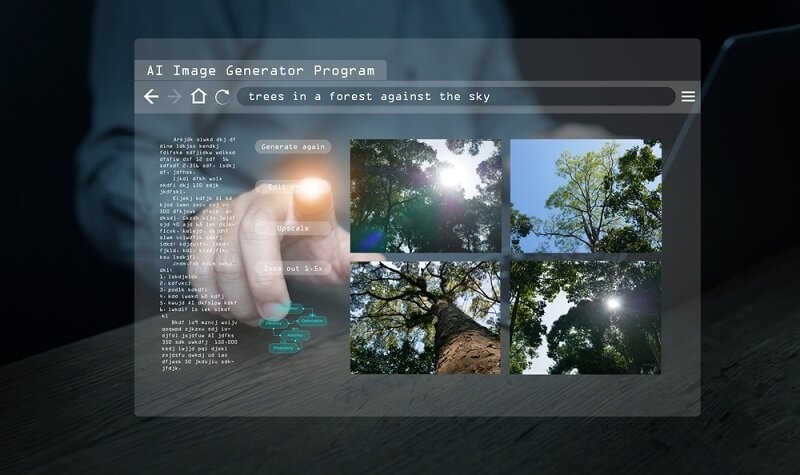
AI image trends are revolutionizing the creation, sharing, and consumption of visual content across various industries. From marketing to entertainment, fashion, and product design, AI image trends point towards a visual revolution devised, crafted, and sprinted by intelligent systems, creativity, and speed.
The digital-first world of today no longer sees AI image trends, AI art styles, AI filters, generative visuals, trending AI aesthetic preferences, and advanced digital art tools as experimental concepts. They are at the forefront of shaping the future of visual trends and setting new standards for artistic expression. In this article, we will showcase some of the most influential AI image trends, explain how they work, and discuss why their applicability is now more important than ever.
AI image trends refer to the evolving visual styles, techniques, and aesthetics created or enhanced using artificial intelligence. These AI image trends are picking up momentum because they enable creators to create high-quality visuals faster, cheaper, and with unparalleled creative flexibility.
Predictably different from a usual design workflow, image trends by AI are done using machine learning models trained on vast data sets of images. It generates transformed and styled visuals in ways that feel fresher, bolder, and more adaptable than ever. Mainstreaming the AI image trends is driven by demand from brands, creators, and consumers who crave originality at scale.
Recent technological advancements in Artificial Intelligence (AI) regarding the creation and production of digital artwork represent the new collaborative approach of the Artist and Computer Algorithm. Artists can now utilize Artificial Intelligence (AI) tools to develop and create digital artworks that were previously impossible to achieve without computer-aided design software applications.
The evolution of digital artwork through AI has provided Artists with an incredibly fast and easy way to iterate through concept sketches to develop final artwork, access to a virtually unlimited variety of art styles and images to inspire their creativity, and tools for adjusting and refining visual elements to achieve their desired visual aesthetic via the use of AI image editing tools instead of having to modify each image manually. In this way, the creation of art has become democratized, with a lowered barrier to entry into professional-quality visual design.
AI image trends are not a flash in the pan but a representative signature of modern visual trends on platforms such as social media, gaming, advertising, and branding. These trends are important because they align with the way audiences consume content today: fast, immersive, and visually striking.
Trending aesthetics in AI often relate to surrealism, hyperreal textures, dreamlike composition, and cinematic lighting. These qualities are instant attention-grabbers, which is what makes the AI image trends especially valuable in crowded digital spaces.
AI art styles are one of the core pillars of today's AI image trends. Today, we see a variety of AI art styles making waves in the visual world. These include:
These styles of AI art continue to evolve as these AI image trends adapt to cultural shifts and user preferences. Each style offers its own unique way for creators to communicate emotion, identity, and storytelling.
AI filters enable a broad array of new visual experiences in how people use computers and mobile phones to create, share, and consume images.
In contrast to traditional filters, which modify the attributes of an image in a static environment (i.e., still images), AI-enhanced filters can continuously analyse and adapt the attributes of the image throughout the editing process, producing a multitude of dynamic enhancements to the image that can be applied in real-time (e.g., film or video).
As a result of AI-enhanced filters, users are able to apply digital enhancements to their films/videos in just seconds, allowing for the seamless transition of the aesthetic characteristics associated with the current trend of AI in visual storytelling of both professional and social media users, without the need for technical editing skills.
Topping the list of AI image trends are generative visuals. The images are generated using algorithms that come up with completely new images rather than altering those already in existence. Generative visuals offer unlimited creativity; thus, art feels original and unexpected.
Brands are increasingly adopting generative visuals to create campaign imagery, backgrounds, and immersive experiences. Generative visuals align closely with trending AI aesthetics, so they help organizations stay visually relevant and innovative.
The current popular aesthetic in AI visually represents the way we as humans express ourselves through the use of technology and nature. The aesthetic of most AI-created visuals is an amalgamation of futuristic concepts and the emotions of the human spirit. The futuristic aspect is derived from the modernisation of materials such as wood and other organic textures.
AI images are driving many design areas within Creative Industries, from User Interface (UI) Design through to Fashion Photography. As a result, AI Image Trends represent a rapidly evolving way of testing and adopting new ways to create visually impactful designs.
Digital Art Tools have now evolved to support professionals and novice designers with all the capabilities of AI Design. By utilizing AI Tools, designers can produce images based on prompt-style writing, receive intelligent suggestions for designing images (based on existing designs), and create style adjustments in real-time.
By finally placing all three pivotal elements of AI art styles, AI filters, and generative visuals within one ecosystem, today's digital art tools are able to help artists work faster without sacrificing artistic control. This is the reason AI image trends have kept accelerating across creative industries.
Of course. AI image trends mean scalable and cost-effective visual solutions for brands. The marketers use AI image trends to produce campaign visuals, social media assets, and personalized content at an unprecedented pace.
With trending AI aesthetics and generative visuals, brands can maintain consistency while adapting visuals to different audiences. Leveraging AI-driven image trends will also allow for the extremely fast A/B testing of creative concepts so that performance and engagement can be improved.
Rather than replacing human creativity, AI-driven image trends enhance that creativity. Although human creativity is still essential to the success of AI-generated imagery, it is not going away. Human storytelling, emotion, and context will be an important part of creative development, no matter how advanced AI technology becomes.
The most successful AI image trends seem to come from when artists use the AI as a creative collaborator, not a replacement. It allows the creator to push the boundaries but still retain artistic intent.
The ongoing advancement of AI technology means that we will continue to see increased capability and sophistication in the presentation of art created by AI-generated art models, allowing for the development of many new, innovative filters associated with AI-generated art.
As technology associated with AI continues to evolve and improve, we expect to see AI-generated Art becoming more advanced and capable of developing different styles, which include more than just aesthetic improvements, but also greater integration of how all AI tools used for Digital Art work together to make it easier for you to create your own creative work.
The ongoing evolution of image generation through artificial intelligence will shape future visual trends across all industries.
By combining imagination with technology, AI Image Design revolutionizes the art creation process, offering artists numerous avenues for creating various types of art through AI Art Styles, AI Filters, Generative Visuals, New AI Aesthetics, and Powerful Digital Art Tools. These tools have enabled artists to expand their visual artistic interpretations.
As demand for high-impact visuals continues to swell, AI image trends will remain central to innovation, storytelling, and brand identity. Embracing these trends today means staying relevant, creative, and competitive tomorrow.
AI image design is transforming the landscape of art creation by combining technology with creativity. The innovations in AI art styles, AI filters, generative visual content, and new aesthetics created with AI and powerful digital tools enable artists to unleash their imagination and creativity more than ever before.
The creative process of AI art is heavily dependent on the use of software algorithms. This enables rapid experimentation, a high volume of generated work, and a wide range of unique visual results that are not achievable with traditional techniques.
Yes! AI Filters are considered an essential component of professional workflows because they provide intelligent enhancements to images, adding consistency and efficiency to the process while allowing for creative collaboration within today's growing AI Aesthetic Movement.
AI-generated visual creations open up numerous doors to new means of artistic expression, creating an infinite number of combinations and producing excellent visual results that would not be feasible using traditional methods of creating visual content.
All current tools used in digital art development provide combined capabilities for creating images from multiple techniques, such as those generated by AI, filtering images, and hybridizing image styles (e.g., through the blending of colors) into a coherent workflow.
This content was created by AI