

Digital creative styles are an immersive way of viewing creativity, branding, and storytelling. From AI-generated artwork to the latest trends in illustration, modern digital design has evolved beyond static visuals. Now it is immersive, expressive, and emotionally driven.
From advertising campaigns to mobile applications, from gaming environments to social media branding, digital art styles determine it all in today's creative economy. Designers, marketers, and artists alike trust artistic styles that would deliver bold, creative visuals while keeping up with technology that changes in the blink of an eye.
This guide will walk you through the most impactful digital art styles currently shaping visual trends, explain how AI art is redefining illustration trends, and highlight how modern digital design is pushing the boundaries of art.
Digital art styles can be defined as specific visual methods artists use to express their work with the help of digital tools. These art styles define everything from color palettes and textures to compositions and emotional tone in creative visuals.
In modern digital design, digital art styles are crucial because they:
With the ever-changing visual trends, digital art styles act as an intermediary between technology and human expression, helping creators communicate powerful ideas with clarity and originality.
Digital styles of art form the basis of all aspects of digital design today. They inform the way we create layouts, as well as motion graphics and interactivity for users. Digital designers utilize different artistic styles as they develop immersive visual creations for different devices and platforms.
Key impacts include:
By marrying illustrative trends with the capability of AI art, digital design today becomes more adaptive, scalable, and visually arresting.
Simple Digital Art Styles for Clean Visual Impact
Minimalist digital art styles focus on simplicity, clarity, and intentional use of space. Such artistic styles have led to the modern digital design of websites, apps, and branding.
Why they work:
Minimalism proves that complexity is not required to make a lasting impression when it comes to digital art styles.
AI art has resonated throughout the digital world, unchaining completely new sets of creativity, modifications, and experiments with art styles. These styles implement machine learning to create visual art that echoes both the futuristic and organic.
AI Art Enhances:
Instead of replacing artists, AI art allows designers to extend creative possibilities while preserving artistic intention.
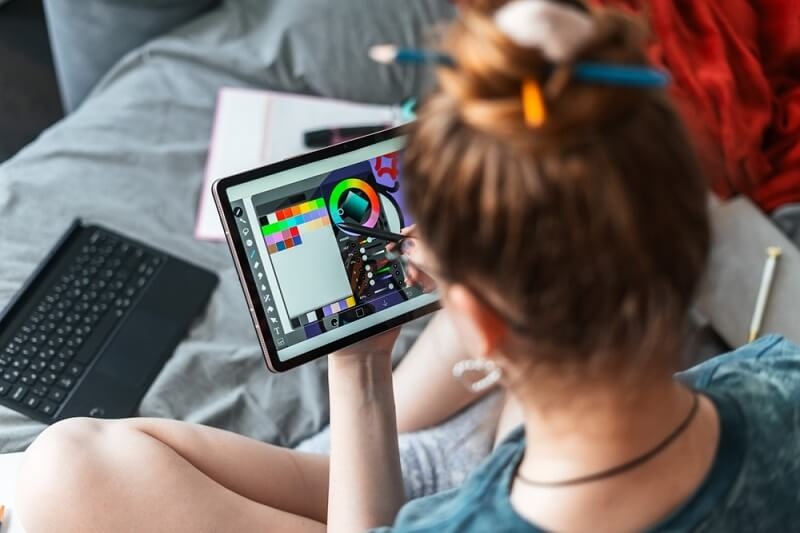
Stylization and artistic representation include three-dimensionality and interactivity. 3D prints are creating the largest level of creativity in contemporary visual art. These print designs enable immersive experiences like those we've seen in gaming and augmented reality industries, as well as product presentation designs.
Building upon the same foundation as traditional illustration styles, 3D art includes elements such as:
3D stylization is the best representation of how traditional and modern-day creativity can intersect to produce imaginative visual creations.
From an artistic standpoint, what you're seeing here with "3D Digital Art Styles" is that your imagination and creativity are freed up through technology to be as colorful, detailed, and vivid as possible.
Hand-drawn digital art styles scream authenticity and emotional warmth. Common applications include editorial content, children's media, and lifestyle branding.
Why creators love them:
Hand-drawn styles, when combined with AI art tools, become much more efficient without losing soul.
As with digital art styles, illustration trends change and are affected by the creations of those working in the field, experimenting with new tools and ways to visually tell a story. Contemporary illustration trends are centered on storytelling, inclusivity, and emotional resonance.
Current shifts include the following:
These illustration trends ensure that digital art styles remain in step, nimble, and culturally astute.
Using digital art techniques to create visually appealing and engaging digital marketing content can improve consumer perception of the brand and increase recall, foster trust, and increase customer engagement with their product/service. This is because in the age of digital marketing, a visual image can sometimes communicate a more powerful message than a hundred words.
Elements that Make Creative Visuals Effective:
Through the investment in high-quality digital artwork, brands will gain an edge over their visual marketing competitors (as well as establish an emotional bond with their customers).
Artistic style is a reflection of the changes in society, advancements in technology, and the way people express their emotions. Digital Art Styles adapt as a result of these cultural pressures by changing how they approach their use of storytelling, color, and theme, among other elements.
For example:
These different art styles engage the audience in various visuals.
Digital art styles of the future will be based on personalization and interactivity, and will also have to address the ethics of using AI to create art. Digital design has increasingly become focused on creating immersive environments, as well as responsive visual experiences that evoke a user's emotional response and provide them with a sense of belonging, both digitally and within a physical space.
Future directions for digital art styles include:
Digital art styles continue to define how stories are told across digital media.
The type of digital art styles a designer will choose will depend upon the desired outcome, the intended audience, and the platform upon which their art will be displayed. Designers must develop creative digital art styles that align with their brand's goals and users' expectations.
Utilizing digital art styles for strategic purposes will result in a sustainable visual success.
Digital art styles create a visual vocabulary for our time and are instrumental in shaping how we interact with our technology, how we consume content, and how we emotionally connect with a brand.
By combining AI art, illustration trends, and modern digital design principles, creators can make artistic styles that inspire, engage, and last. Those who can master digital art forms while maintaining a sense of individuality and connecting with their audience will shape the future.
Visual trends today are defined by the interplay between artistry and technology. As a result of the combination of creativity and machine intelligence, AI Art has opened new doors for creativity. Evolving illustration styles and current digital design techniques enable digital artists to produce strong, meaningful pieces of artwork in a highly collaborative manner, all while connecting to their audiences through multiple digital channels.
From branding to web design, from gaming and advertising to illustration, trending digital art styles are used to create impactful creative visuals that communicate an idea across both clearly and emotionally.
AI art enhances digital art styles by automating workflows, allowing experimentation, and supporting modern digital design-all this without the intent or effect of replacing artistic creativity.
Illustration trends reveal the path that the development of artistic styles takes, enabling designers to create relevant and engaging visuals that align with audience preferences and cultural shifts.
Contemporary digital art supplements traditional art by introducing new tools and formats, yet retaining artistic styles and creative expressions.
Strong digital art styles help brands express themselves more profoundly, visually, help in gaining trust, improving engagement, and providing consistent creative visuals across every platform.
This content was created by AI