

Being aware of recent graphic style trends could cut off months of experimentation as a starting point in visual creation, whether that is designing social media posts, poster designs, or even creating motion graphics. Here, you will learn literally all you want to know about graphic style trends as a beginner, including design inspiration and the most important typography trends, in addition to using updated graphics, digital image designs, and new styles in your designs.
Graphic design is where technology, culture, and communication come into play. When you follow the trend in graphic styles, you are not imitating but learning what languages are already understood by your audience through images. Design trends may pop up with inspirations like color scheme, layout, and even typography. As a beginner in graphic design, ambiguity will be reduced when you make your decisions in graphic design based on trends.
Minimalism, however, is an evolved graphic design style. The graphic designs of today focus on simplicity and well-structured layouts with prominent personality traits, such as uncommon colored highlights, asymmetrical negative space, or noticeable graphical illustration.
The secret behind designing minimalist digital visuals is to rely on one graphic element and give it room to shine. Other than operating on a colored palette, minimalist digital graphic designs can also work wonders across screens by focusing on the typographic elements in poster styles.
One of the most popular graphic style trends is playing with fonts. Some of the typographic trends involve the use of experimental fonts as visual anchors. This could be in a wide array of ways: from using large heading fonts and creative letter spacing to typographic layers resting on images. Variable fonts and personalized weight variations allow novices to achieve dramatic effects without delving into illustration.
Think about pairing a strong sans-serif font for your heading with a readable serif for your body text. Make your typography hierarchy simple: heading, subheading, and body, each with scale to direct your viewer’s attention.
Practical tip: Use one expressive font for headings and a neutral font for bodies of text. Make your heading large enough to be able to quickly read when viewing digital images.
Nostalgia is one of the most potent things in existence. Everything from retro color schemes of the 70’s, gradient abundance of the 90’s, to pixel art of the 2000’s has come back with a bang in graphic design trends. Such designs can be mixed with current designs in order to achieve a look that is both nostalgic and new. Add retro textures in a subtle manner with a retro texture over a clean heading.
It is a blend of the old and the new that gives designers creative ideas, and this is very friendly to beginners since most of the tools and templates come preloaded with vintage effects.
Practical tip: To avoid looking retro, pair retro color schemes with the latest typography design trends.
As it gets increasingly more accessible to work with software, new graphic designs feature such things as 3D solid shapes, soft-shaded objects, and textures. Such aspects allow for a degree of depth in otherwise two-dimensional designs. As such, a sophisticated 3D graphic application is not a requirement because some programs will come with effects for soft-shaded objects and such.
Rarely use 3D elements in your design work; think of floating elements behind a headline or a product mock-up. This is very good for hero images and in poster styles.
Practical advice: Add one small 3D element into your composition, and make sure it follows the light direction of your scene.
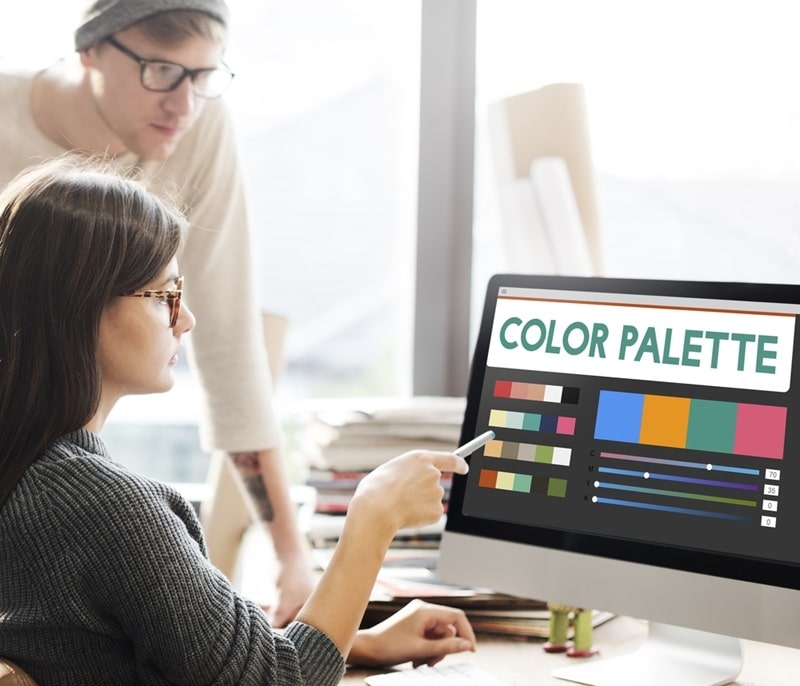
Color is a main ingredient of today's graphic style trends. The prevailing sentiment is revolving anf bringing on all about saturated color, using gradients in a big way, and color-blocking. Now is a time when gradients are making a strong comeback-neon to soft transitions, some amazing duotone overlay effects, and a fantastic split-complementary contrast statements. To get a quick change of ambiance in a piece, beginning designers can quickly achieve this with their choice of color.
While one chooses colors for digital visuals, the choice should attempt to balance accessibility; high contrast is a deliberate way to ensure headings and bodies of text are always legible in poster styles and social media thumbnails.
Practical tip: Design a primary, secondary, and accent color scheme and use the latter for calls to action.
Indeed, the incorporation of photo layers, scanned textures, sketches, and cut-out shapes is a very trending thing. A collage composition is very handmade and authentic, which works beautifully for designers establishing their own style. Such graphic style trends take elements from photo, illustration, and text styles.
Collages can be very forgiving when dealing with newbies, as you notice, asymmetrical designs can easily mask any imperfections in alignment, and textures are perfect for concealing messy edges. As a matter of fact, this technique can be ideal if you want designs.
Practical hint: Start off with a three-layer composition comprising one texture, one photo, and another interesting cut-out shape. Then readjust the opacity and blending mode.
The static image is not the lone currency anymore. Micro-animations, short loops, and motion-driven designs have turned into the main graphic style trends. Once you add motion to your headlines, transitions, or hover effects in UI design, you immediately make your digital graphics look trending.
Beginners can easily bring motion to life through simple GIF files, Lottie Animations, or animation panels in design software. Motion can enhance communications-don't animate just for the sake of animating,
Practical tip: Use animation on one element per design, such as a fade-in headline or button hover, to avoid overdoing it.
The expectations of the audience have grown to encompass an aspect of morality as well. Eco-friendly design decisions like using fewer heavy images for faster loading, accessible visual design practices such as accessible fonts and accessible images, represent today's trends in graphic design styles.
Although it can be very overwhelming for a new designer, the inclusion of accessibility guidelines regarding contrast and typographic trends, and image alt text goes a long way with the least amount of effort.
Practical tip: Test your contrast, and ensure your font sizes meet legibility requirements for digital and print versions of posters.
Traditional design follows a very structured grid. Some of the most popular graphic design follow this trend in a big way with elements that include grid manipulation, overlap, and angled portions to create dynamic designs. This type of design embodies some of the "remix" design aesthetic.
This is another good technique to draw attention to content by allowing a heading to be in the margin space or to overflow images in other columns.
Practical Tip: Create balance-a broken-grid layout will benefit from using a logo or margin to keep everything centered.
For new designers, the quickest path to applying graphic style trends will continue to be through templates and remix assets. Templates are going to show designers rhythm in composition, font pairing, and usage of color. They let you learn without creating work from the bottom up. Look for template kits accompanying typographic style trends.
Practical tip: If you don't know where to start, take one template a month and customize it with a new trend. All you have to do is change the fonts, colors, and images. You will get more comfortable working with different styles in no time.
Create one-piece brand poster styles according to the following steps to learn graphic style trends:
Do this exercise in several colour combinations and with different fonts to compile a portfolio of modern graphics.
Think small. Find a few designers whose work reflects your ideal of design inspiration, then study what's currently hot - and not - in graphic style. But do focus on legibility and a sense of visual hierarchy before moving into complex compositions. And finally, remember that trends are tools, not rules. Draw on them to help you be understood, not to speak for you.
Such graphical styles in your skill set will enable you to create trendy digital artwork, catchy poster styles, and confidently work your way with the power of typography trends. And remember, keep designing and keep mixing and matching; soon, these designs will become part of your nature. This article is intended for educational purposes only. Any references to designers or trends are illustrative and do not imply endorsement or affiliation.
A beginner can follow a few design blogs, social media designers, and portfolio sites to gather inspiration for design. It is not easy to follow all of them. Talking about learning graphic design styles, a beginner can learn one or two trends in graphic styles, such as typography styles or using vibrant colors in graphic design.
Yes, many graphic styles are inspired by screen-first requirements and therefore are particularly relevant to online visual communications such as social media posts, web design, and online ads. Trends related to motion, accessibility, and composition have direct implications for how users will engage with online graphics.
First of all, it is possible to point out such graphic style trends as highly typed designs, minimal designs, and new poster designs. They don't require a lot of advanced technologies, but at the same time allow new designers to work with hierarchy, space, and new typography trends.
This content was created by AI